Elevate Your Projects with Pastel Spray Paint Backgrounds
Understanding the Soft, Textured Appeal
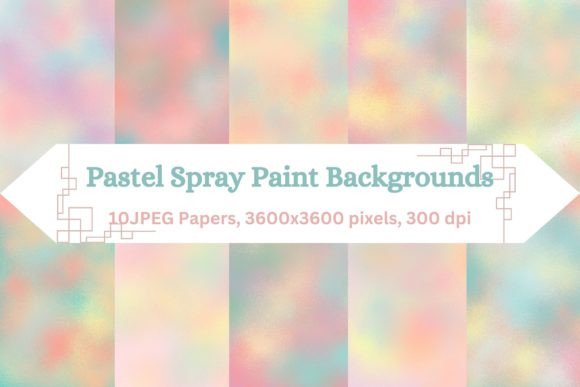
Pastel spray paint backgrounds offer a distinct visual language that’s both modern and timeless. Unlike flat, solid colors, these backgrounds carry a subtle texture and organic, diffused edges that mimic the look of real spray paint. The soft pastel palette—think muted pinks, lavenders, mint greens, and peachy corals—provides a gentle, approachable aesthetic. This style avoids the harshness of brighter hues, making it incredibly versatile for projects that require a touch of sophistication without overwhelming the viewer. The personality of these backgrounds is one of understated elegance and creative freedom. They feel handcrafted and artistic, which can instantly elevate a design from generic to thoughtfully curated. The overall appeal lies in their ability to add depth, interest, and a human touch to digital and print media, serving as a perfect canvas that complements rather than competes with your main content.
Where These Backgrounds Truly Shine
The utility of a well-designed background extends far beyond a simple backdrop. For graphic designers and brand strategists, these pastel spray paint textures can become a core component of a brand identity. They work exceptionally well for creating cohesive social media graphics, website hero sections, and digital ad templates that feel consistent and recognizable. In the realm of editorial design and publishing, they provide a visually engaging foundation for magazine layouts, book covers, and blog post featured images, helping to set a specific mood or theme. For entrepreneurs and small business owners, they are invaluable for packaging design and product mockups, adding a premium, artisanal quality to presentations. Crafters and hobbyists will find them perfect for printable invitations, greeting cards, and scrapbooking, where a personal, textured look is highly desirable. The key is to see these backgrounds as versatile design assets that can influence the entire visual hierarchy of a project.
Practical Guidance for Integration and Use
When incorporating any new visual element, a thoughtful approach is crucial. First, consider the project's goal. A pastel spray paint background is ideal for conveying creativity, softness, and approachability. It might be less suitable for a corporate financial report but perfect for a boutique's seasonal lookbook or a wellness brand's Instagram feed. Next, evaluate font pairing. Because these backgrounds have inherent texture and color, they pair best with clean, legible typefaces. A sans serif font often provides a modern, crisp contrast, while a simple serif font can add a touch of classic elegance. Avoid overly ornate script fonts or detailed handwritten fonts directly over the textured areas, as readability can suffer. Instead, use such creative fonts for headlines or logos placed on cleaner sections of the background.
When you download this set of ten JPEG files, you're getting high-resolution (3600x3600 pixels at 300 DPI) design assets. This resolution is critical for professional printing, ensuring your designs remain sharp and detailed on everything from large posters to small business cards. To use them effectively, layer your text and graphics on top. Use design software to adjust the opacity of the background if needed, or place your content in areas where the spray effect is lighter to maintain strong visual hierarchy and readability. Test different backgrounds from the collection with your core brand colors to see which combination feels most authentic and engaging to your target audience. Remember, the best use of these assets is one that feels intentional and integrated, not just applied as an afterthought. They are tools to enhance your message, not replace it.