Fancy Pastel Floral Wedding Backgrounds for Elegant Projects
Understanding the Visual Language of Softness
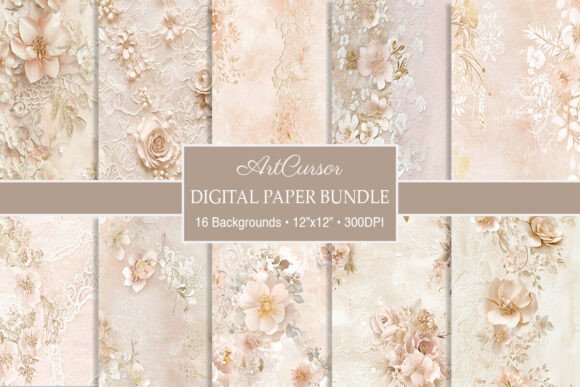
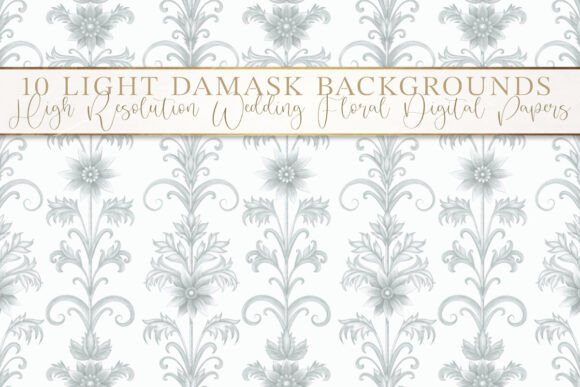
When you are building a brand or designing a project that relies on emotional connection, the texture of your background matters just as much as the font you choose. Fancy Pastel Floral Wedding Backgrounds offer a specific visual vocabulary: one of romance, softness, and vintage elegance. These aren't just random flowers thrown onto a canvas. They are a curated set of ten ultra-high-resolution Victorian pattern designs created by hand on an iPad Pro. The appeal lies in the authenticity of the line work. You can see the human touch in the curly foliage and the organic flow of the petals. Unlike vector graphics that can sometimes feel sterile or overly geometric, these digital papers have a hand-drawn warmth that feels tactile. They bridge the gap between traditional scrapbooking and modern digital design, offering a "fancy" aesthetic that feels luxurious without being heavy.
The color palette is strictly light pastel, which is a strategic choice for designers working with typography. Pastel backgrounds are notoriously difficult to work with because they can easily wash out text. However, the Victorian pattern style of these backgrounds uses intricate details and shading to create depth, allowing them to support text rather than fight it. Whether you are working on a wedding invitation or a KDP (Kindle Direct Publishing) cover, the "light and subtle" nature of these papers ensures that they enhance the foreground content rather than competing with it. It is a balance of personality and restraint, making it a versatile asset for anyone involved in creative font pairings or complex layout design.
Strategic Applications: From Wedding Decor to Brand Identity
While the name suggests a focus on weddings, the utility of this collection extends far beyond the altar. For graphic designers and brand strategists, these backgrounds serve as a foundational element for brand identity, particularly for businesses in the lifestyle, beauty, or artisan sectors. Imagine a boutique bakery or a high-end florist using these patterns for their packaging design. The Victorian style communicates tradition and quality, while the pastel colors suggest approachability and softness. This creates a specific brand perception: one that is trustworthy yet feminine. When you use these in social media graphics, you create a cohesive visual identity that followers can recognize instantly. The consistency of using a single set of related patterns across Instagram posts, stories, and website banners builds visual hierarchy and professional recognition.
For entrepreneurs and small business owners, the practical applications are endless. If you are launching a product line, you need more than just a logo; you need a world for that logo to live in. These floral patterns are excellent for creating mockups, website hero images, or background textures for quote cards. They work exceptionally well when paired with clean, sans-serif typography. The contrast between the ornate, curly foliage of the background and the sharp, modern lines of a typeface like Helvetica or Montserrat creates a dynamic visual tension. This is a classic design principle: mixing the old with the new to create something that feels current and fresh. It is not just about decoration; it is about using design assets to tell a story about your brand’s values.
Technical Versatility and Design Execution
The value of a design asset is often found in its technical specifications, and this is where the set of 10 ultra-high-resolution files shines. At 6000 x 4000 pixels, these are not just web graphics; they are print-ready powerhouses. For those involved in editorial design or packaging design, resolution is non-negotiable. You cannot upscale a low-quality image for a magazine cover or a physical product wrap without losing integrity. These files are built to withstand large-format printing, making them ideal for DIY decorations, large signage, or intricate wrapping papers. The high resolution ensures that the hand-drawn details remain crisp, preserving the texture of the digital paper even when viewed up close.
From a workflow perspective, these backgrounds are incredibly adaptable. They function similarly to a creative font with multiple weights; just as you might choose a bold or light version of a typeface, you can select the specific floral pattern that matches the mood of your project. Some designs might feature dense, intricate arrangements suitable for a full-bleed background, while others might offer more negative space for text-heavy layouts. When integrating these into your projects, consider the concept of visual hierarchy. A busy Victorian pattern might overwhelm a complex headline, so you might need to apply a slight overlay or blur to create separation. Conversely, for a simple "Save the Date" card, a bold, clear background can frame the essential information beautifully.
Curating the Aesthetic: Practical Recommendations
Choosing the right background is an exercise in restraint. It is tempting to use these fancy floral designs everywhere, but their impact is strongest when used with intention. If you are designing a series of invitations or stationery, try to vary the background patterns to keep the collection interesting while maintaining a cohesive color palette. This is where the "luxurious set" aspect comes into play; having ten options allows for variety without sacrificing style. For scrapbooking enthusiasts, these provide a digital equivalent to high-end paper pads. They allow you to layer photos and ephemera on top of a rich, textured canvas that adds depth to your memories.
When selecting a background for a specific project, always test your foreground elements against it. If you are using a script font or a handwritten font for headlines, ensure there is enough contrast so the letterforms don't get lost in the foliage. A helpful trick is to place a semi-transparent shape—like a white box with 80% opacity—behind your text block. This allows the beautiful Victorian pattern to show through while ensuring your message is perfectly legible. Ultimately, these backgrounds are tools to help you achieve a specific aesthetic. They allow you to add a touch of class and sophistication to your work, ensuring that whether it is a digital ad or a physical party decoration, the final product feels polished, professional, and deeply personal.