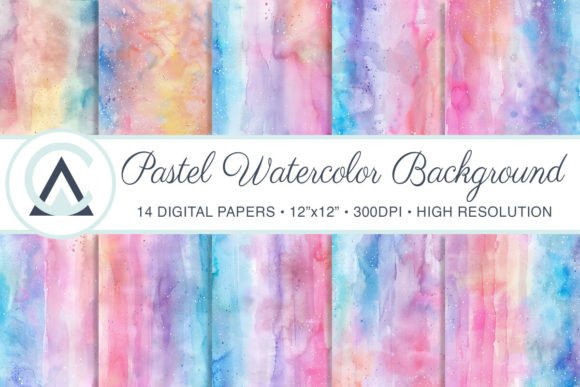
Watercolor Pastel Gradient Backgrounds: Soft Style for Modern Projects
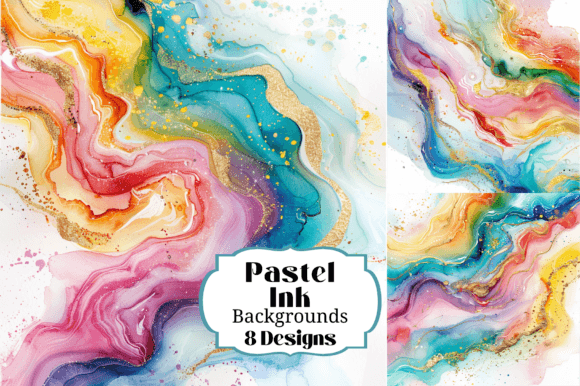
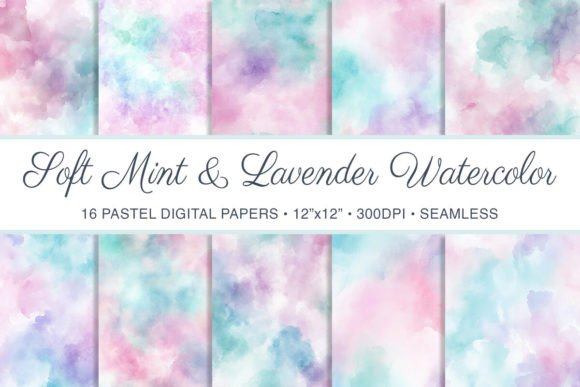
There is a distinct quality to watercolor pastel gradient backgrounds that immediately sets a different tone for a design. Unlike flat digital colors or harsh photographic textures, these backgrounds possess an organic, hand-painted feel that brings warmth and depth. The visual character is defined by soft, bleeding edges where one pastel shade gently dissolves into another—think lavender fading into blush pink, or mint green washing into a soft baby blue. This style avoids the rigid geometry of modern digital design in favor of fluidity. For designers and creators, these assets are less about structural precision and more about creating an emotional atmosphere. They signal creativity, softness, and a personalized touch, making them a versatile tool in any visual toolkit.
The Visual Personality and Appeal
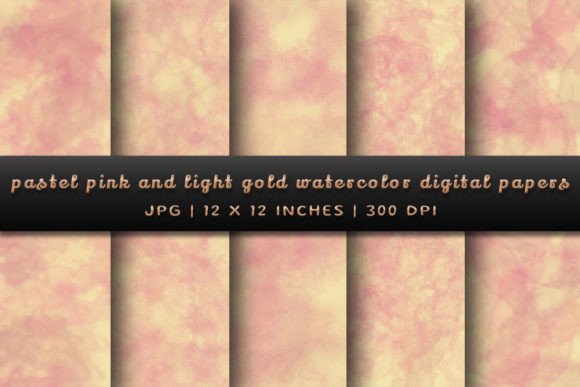
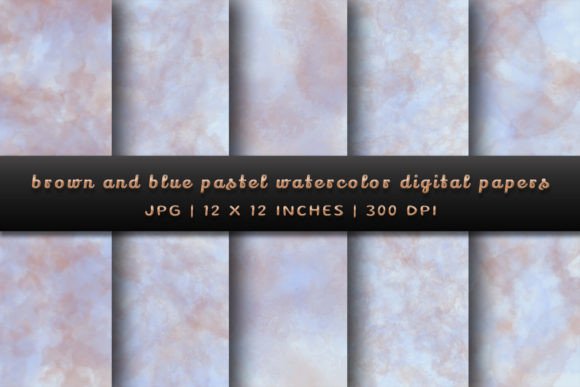
Watercolor pastel gradient backgrounds are defined by their subtlety and texture. The "pastel" aspect means the colors are desaturated and light, avoiding vibrancy in favor of a muted, soothing palette. The "gradient" element refers to the smooth transition between these colors, creating a sense of movement and flow. The "watercolor" texture is crucial—it adds a tactile, imperfect quality with visible paper grain, pigment pooling, and soft, diffused edges. This combination creates a backdrop that feels both artistic and approachable. It’s a style that doesn’t overwhelm the content placed on top of it; instead, it supports and elevates it. The personality is gentle, creative, and slightly nostalgic, making it perfect for projects that aim to feel personal, artisanal, or calming.
Where These Backgrounds Truly Shine
The practical applications for watercolor pastel gradient backgrounds are surprisingly wide-ranging, extending far beyond traditional art projects. Their strength lies in their ability to add visual interest without competing for attention. In brand identity, they can form the foundation of a logo design or brand color palette for businesses in wellness, beauty, children's products, or boutique retail. The soft aesthetic helps build a perception of care and quality. For digital design, they are excellent for website hero sections, social media graphics, and online course materials, where they create an inviting and professional backdrop for text and imagery. In editorial design and publishing, they work beautifully as chapter title pages, book covers, or backgrounds for pull quotes, adding a touch of elegance without distracting from the written word.
For print and physical products, their value is immense. The high-resolution 300 DPI files ensure crisp printing on items like wedding invitations, greeting cards, and scrapbook paper. The 12"x12" (3600x3600px) dimension is particularly useful for crafters, as it’s a standard size for digital scrapbooking and can be easily tiled or cropped for other projects. Entrepreneurs and small business owners can use them to design product packaging, thank you cards, or promotional materials that stand out with a handmade feel. The included PNG and JPEG formats offer flexibility—PNGs for transparency needs and JPEGs for straightforward background use. The ability to resize and edit these backgrounds with common software makes them accessible even to those without advanced design skills.
Integrating Them Into Your Creative Workflow
Choosing to use watercolor pastel gradient backgrounds is the first step; integrating them effectively is the next. A key consideration is contrast and readability. Because the backgrounds are soft and textured, text placed over them needs sufficient contrast. Darker shades of gray, navy, or charcoal often work better than pure black, which can feel harsh. For longer passages of text, consider using a solid color overlay at a low opacity to slightly mute the background, ensuring the words remain the focal point.
When it comes to font pairing, the goal is to balance the organic background with clean typography. A modern sans serif font provides a crisp, contemporary counterpoint to the soft watercolor texture. Alternatively, a simple serif font can add a touch of classic elegance. Avoid pairing these backgrounds with overly ornate script or handwritten fonts, as the combination can become visually cluttered and reduce legibility. The background should act as the supporting actor, not the main character, in your typographic hierarchy.
From a brand strategy perspective, consistency is key. If you choose a watercolor pastel gradient as part of your brand's visual language, use it consistently across all touchpoints—from your website to your packaging to your social media graphics. This builds recognition and reinforces the brand's personality. It’s also wise to consider the context of your audience. While these backgrounds are perfect for a yoga studio, a wedding photographer, or a handmade soap business, they might not align with the sharp, high-tech identity of a software startup. Always evaluate whether the aesthetic matches your brand's core message and your audience's expectations.
Ultimately, watercolor pastel gradient backgrounds are a premium design asset that offers both beauty and functionality. They provide a solution for adding depth, texture, and a human touch to a wide array of projects. By understanding their visual characteristics, knowing where they work best, and applying practical design principles when using them, you can leverage these backgrounds to create professional, engaging, and cohesive designs that resonate with your audience. They are a testament to how thoughtfully crafted design elements can elevate everyday creative work.