Soft & Sophisticated: Using Pastel Pink and Light Gold Backgrounds
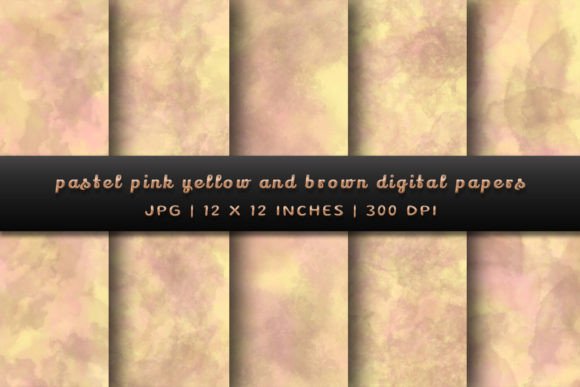
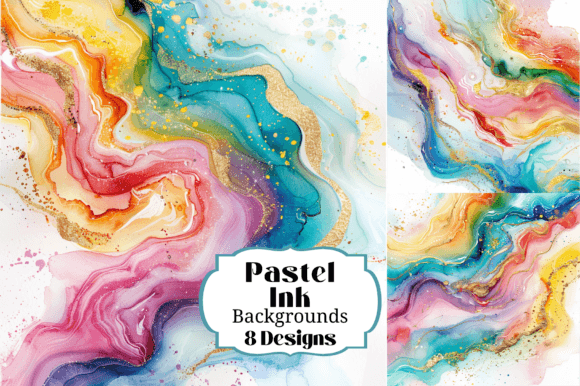
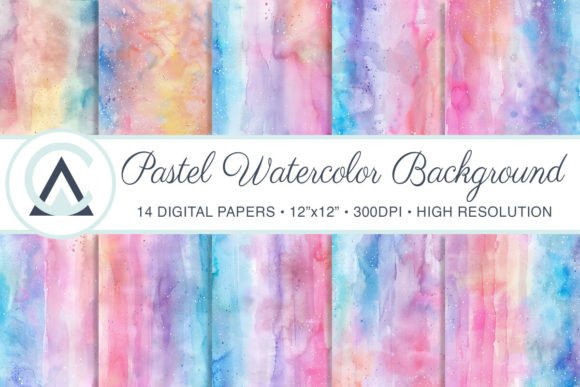
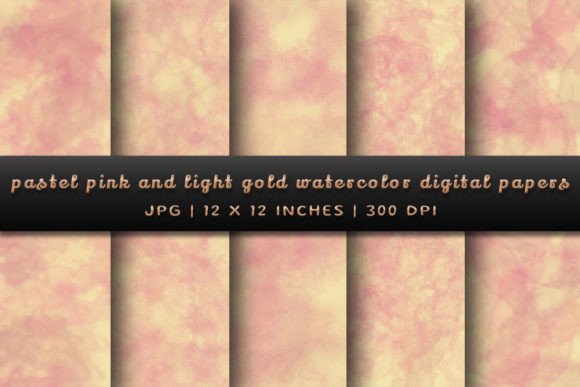
There is an undeniable elegance in the combination of blush and metallics. When you pair the gentle warmth of pastel pink with the subtle shimmer of light gold, you create a visual language that speaks of luxury, femininity, and modern sophistication. These Pastel Pink and Light Gold Watercolor Digital Papers are not just static images; they are foundational design assets that can transform a standard project into something memorable. The watercolor texture adds an organic, handmade feel that digital precision sometimes lacks, offering a perfect balance between structured graphic design and artistic expression.
These backgrounds are defined by their soft gradients and fluid brushstrokes. Unlike harsh, solid colors, the watercolor effect introduces depth and movement. The pastel pink serves as a calming, approachable base, while the light gold accents catch the eye without overwhelming the composition. This creates a "quiet luxury" aesthetic—ideal for projects that need to look premium but not pretentious. Whether you are working on a wedding invitation, a social media campaign, or product packaging, this color palette provides a versatile foundation that feels both current and timeless.
Where to Apply This Palette
The true strength of these Pastel Pink and Light Gold Backgrounds lies in their versatility across different mediums. For editorial design and publishing, these textures work beautifully as chapter dividers or cover art for romance novels, lifestyle magazines, and wellness guides. They provide a visual breather for the reader, softening the reading experience. In the realm of packaging design, particularly for cosmetics, jewelry, or artisanal foods, this color scheme instantly elevates the perceived value of the product. It suggests that what is inside is curated and high-quality.
Digital creators will find these assets indispensable for web design and social media graphics. A watercolor background can serve as a hero image for a website header, setting a welcoming tone immediately. On platforms like Instagram or Pinterest, where visual noise is high, the soft pink and gold palette stands out by being calming rather than loud. It is an excellent choice for background textures behind quotes, announcements, or promotional banners. Because the files are high-resolution (300 DPI), they translate seamlessly from screen to print, ensuring your brand identity remains consistent across all touchpoints.
Incorporating Text and Typography
When overlaying text on these backgrounds, the goal is to maintain readability while respecting the artwork. Because the watercolor texture is organic and somewhat busy, your typography needs to provide contrast. A bold sans serif font is often the best choice here; its clean, geometric lines cut through the softness of the watercolor, ensuring your message is legible. Alternatively, a modern serif font can add a touch of traditional elegance, perfect for formal event invitations.
Avoid using overly complex script fonts or handwritten fonts for large blocks of text, as they can get lost in the brushstrokes. However, a display font or creative font can work well for short headlines if you place it on a less textured area of the paper or add a subtle drop shadow to separate the type from the background. This approach is critical for logo design as well; if your logo is text-based, ensure the background acts as a supporting element, not a competitor for attention. Proper font pairing is about hierarchy—the background sets the mood, but the typography delivers the information.
Maximizing Your Design Assets
Getting the most out of these digital papers requires a bit of strategy. First, consider the scale of the pattern. Since these are 12x12 inch files, they are perfectly sized for scrapbooking and standard print projects. However, for larger formats like posters or trade show banners, you may need to tile the pattern. Because these are described as seamless, they should blend well, but always check the edges in your design software to ensure the watercolor flow looks natural.
Another practical tip involves color grading. While the files come "as is," don't be afraid to tweak the hue or saturation in Photoshop or Canva to match specific brand guidelines. You can darken the gold for a richer look or desaturate the pink for a more muted, vintage vibe. This flexibility makes them a premium font alternative for background creation—you aren't stuck with one look. Since the files are JPGs, they are compatible with virtually every piece of software, from professional Adobe Creative Suite tools to mobile editing apps.
Commercial Use and Licensing
One of the most significant advantages of this set is the allowance for commercial use. For entrepreneurs and small business owners, this is a game-changer. You can use these backgrounds to create physical products—like printed stationery, mugs, or t-shirts via sublimation—and sell them without needing to pay royalties for every sale. This lowers the barrier to entry for creating professional-looking goods.
However, it is always best practice to read the specific license terms included in the ZIP file. Generally, you cannot resell the digital file itself, but the end products you create with them are yours to monetize. This makes them ideal for marketers and entrepreneurs who need to produce high-quality visuals quickly and legally. By integrating these Pastel Pink and Light Gold Backgrounds into your toolkit, you are investing in assets that support both your creative vision and your business objectives, allowing you to focus on strategy and content rather than starting every design from scratch.