Holographic Foil Texture Backgrounds: A Modern Design Asset
There’s a certain energy that comes from light catching a surface at just the right angle. It’s the shimmer of a new gift, the gleam of a premium product, the subtle iridescence that makes something feel special. This is the core appeal of holographic foil texture backgrounds. They aren’t just a pattern; they are a visual language of modernity, celebration, and tactile luxury. For designers, crafters, and entrepreneurs, these textures offer a direct way to inject that high-impact, contemporary feel into a project without the cost and complexity of physical foil stamping.
The Visual Character of Iridescent Design
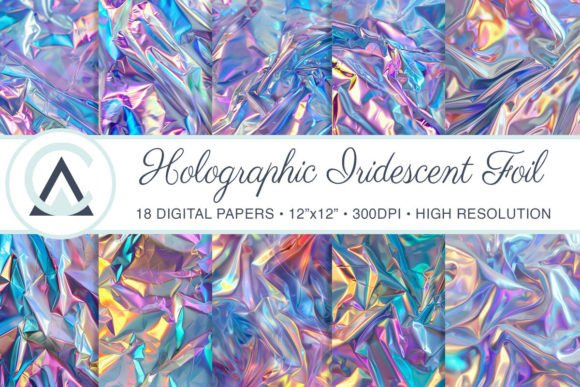
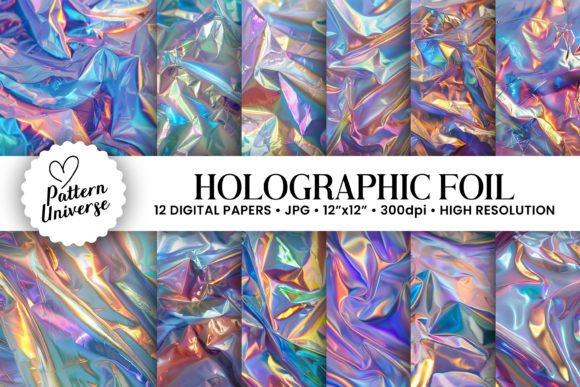
A holographic foil texture background is defined by its dynamic, color-shifting surface. Unlike a static metallic color, it simulates the effect of a prismatic film, where hues blend and transition seamlessly—think pinks melting into purples, blues into greens, or a full-spectrum rainbow dance. The personality is inherently futuristic yet playful, blending the sleekness of technology with the joy of discovery. Its style sits at the intersection of modern typography trends and tactile craft. The overall appeal lies in its versatility; it can feel edgy and urban for a streetwear brand or soft and celebratory for wedding stationery. It’s a premium visual tool that commands attention.
Where These Textures Shine: Practical Applications
The real-world value of a set like the 12 Holographic Foil Texture Backgrounds (Ai Generated) is its broad utility. These aren't just for looking at; they are design assets meant to be used. Here’s where they become indispensable:
- Physical Product & Packaging: They are perfect for tumbler wraps, gift wrap patterns, and product packaging backgrounds. The texture translates beautifully to print, giving items a perceived value boost. Imagine a small-batch candle brand using a subtle holographic texture on its box sleeve—it immediately stands out on a shelf.
- Digital Branding & Marketing: For social media graphics, website hero sections, or digital ad banners, these backgrounds stop the scroll. They work exceptionally well for beauty, tech, lifestyle, and event promotion. A blog publisher can use them to create eye-catching featured images that feel current and energetic.
- Stationery & Craft: This is their native habitat. Greeting cards, invitations, and scrapbook layouts gain instant sophistication. The texture acts as a dynamic backdrop that doesn't overwhelm text or focal images when used correctly. For DIY creators selling on platforms like Etsy, these backgrounds are a cornerstone of a professional-looking product line.
- Editorial & Presentation Design: In editorial design, a holographic texture can be used sparingly—as a chapter header, a pull-quote background, or a divider—to break up monotony and guide the reader's eye. For business presentations, it can signal innovation and forward-thinking in slides related to future plans or tech integration.
Making It Work: Integration and Pairing Strategy
Using a bold texture effectively requires a thoughtful approach to ensure it enhances rather than hinders your message. The goal is to let the holographic effect support your visual hierarchy, not compete with it.
Typography Pairing is Key: The dynamic nature of the background calls for calm, confident type. Pair it with a clean, geometric sans serif font for a sharp, contemporary look—think product labels or tech startup branding. For a more elegant or feminine feel, combine it with a delicate script font or a refined serif font. The contrast between the vibrant background and a stable, readable typeface creates balance. Avoid overly decorative or handwritten fonts that might get lost or create visual chaos.
Color and Contrast for Readability: Since the background shifts color, text legibility is paramount. Always place your text within a solid, semi-transparent shape (like a white or dark gray box with 70-90% opacity) or on a solid-color panel that overlays part of the texture. This creates a clear zone of readability while still showcasing the stunning background. Test your combinations at small sizes, especially for body copy in web design or packaging design where information needs to be quickly scanned.
Scale and Composition: The 3600x3600 pixel, 300dpi resolution of these files gives you immense flexibility. You can use the entire sheet as a full-bleed background for a poster, or you can crop in tightly to use a smaller, more abstract section as a texture overlay. For a logo design presentation, using a cropped section behind a monochromatic logo can add depth and context without distraction. The key is to treat the texture as a flexible component of your layout, not a fixed, immutable wall.
Evaluating Fit and Licensing for Your Project
Before diving in, consider the project's tone. Holographic textures naturally convey energy, modernity, and celebration. They are ideal for brand identity work targeting younger demographics, tech audiences, or the beauty and events industries. For a law firm or a heritage furniture brand, it might be a stylistic mismatch unless used in an extremely subtle, almost subliminal way.
Practically, always review the file format and licensing. This set provides digital papers in a zip file, which is standard for design assets. Ensure the license permits your intended use, especially for commercial projects like small business product lines or client work. The advantage of a commercial font or asset license is the legal peace of mind it provides.
Finally, test before you commit. Place your chosen typeface over the texture in your design software. Check how the colors interact. Does the background distract from your core message? Does it elevate it? The best font pairing and background combination feels intentional and cohesive, not like two separate elements fighting for attention.
In the end, holographic foil texture backgrounds are more than a trend. They are a versatile creative font of visual energy. By understanding their character and applying them with strategic restraint, you can leverage their iridescent power to make any project—from a personal scrapbook to a global marketing campaign—feel instantly more polished, engaging, and alive.