Seamless Wood Slices Texture Backgrounds: A Designer's Guide
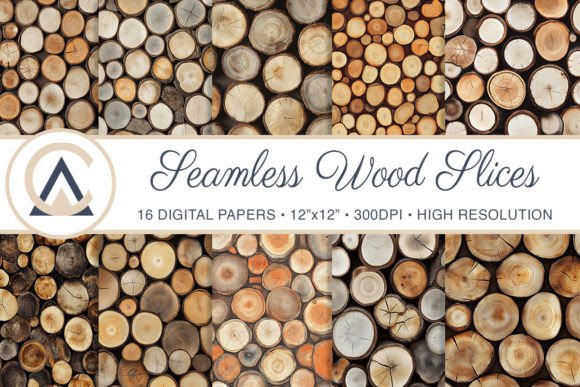
There’s a certain warmth and honesty that comes with natural materials. It’s why reclaimed wood signs hang in trendy coffee shops and why a simple wooden frame can make a photograph feel more intimate. This same organic appeal is what makes Seamless Wood Slices Texture Backgrounds such a valuable and versatile asset in a designer's toolkit. They offer an immediate connection to nature, craftsmanship, and rustic charm, but with the precision and flexibility of a digital file. These aren't just generic "wood" images; they are carefully crafted textures that replicate the unique, circular grain patterns of a cross-cut tree slice, complete with subtle imperfections, growth rings, and natural color variations that feel genuinely authentic.
The Visual Personality: More Than Just a Pattern
When you first look at a quality set of these textures, you’ll notice they possess a distinct personality. They can evoke a sense of handcrafted tradition, perfect for a local bakery's brand identity, or lean into a modern rustic aesthetic for a lifestyle blog. The visual appeal lies in the details—the way the grain flows, the subtle shifts from light sapwood to darker heartwood, and the soft, circular lines that draw the eye. This creates a background that is rich in visual interest without being overwhelming. It provides a stable, textured foundation that allows foreground elements—like typography in a logo design or product photos on a website—to truly pop.
Understanding this personality is key to using them effectively. A lighter, more uniform wood slice texture can feel clean and Scandinavian-inspired, working beautifully for a web design background for a minimalist home goods store. A darker, more textured slice with prominent knots and rings might be better suited for a rugged, outdoor adventure brand's social media graphics or the cover of a nature journal. The included 12"x12" (3600x3600px) files at 300 DPI ensure that whether you're printing a small sticker or a large piece of wall art, the integrity and detail of the texture remain sharp and professional.
Practical Applications: From Digital Screens to Physical Products
The true power of a seamless texture is its scalability. Because the pattern tiles perfectly, you can extend it infinitely to cover any surface, from a website header to a full-sized tablecloth for a print-on-demand shop. This makes Seamless Wood Slices Texture Backgrounds a cornerstone design asset for numerous projects.
For brand identity, these textures can establish a strong visual language. Imagine using a subtle wood slice texture as the background for a business card, setting the stage for a brand that values quality and authenticity. In packaging design, it can wrap around a candle box or a soap label, instantly communicating a product that is natural and carefully made. For publishers and content creators, these backgrounds are ideal for editorial design—think of a magazine feature on forestry or a blog post header about sustainable living. They also add immense character to scrapbook paper, greeting cards, and junk journals, providing a tactile feel to digital projects destined for print.
The practical guidance here is straightforward: think about the story you want to tell. Are you creating a cozy, inviting atmosphere? A light, warm-toned wood slice is your answer. Are you aiming for a more dramatic, established feel? Opt for a darker, more pronounced texture. The included PNG and JPEG files offer flexibility—use PNGs for projects where you might need a transparent background in the future, and JPEGs for straightforward backgrounds where file size is a consideration.
Integrating Texture with Other Design Elements
A common challenge with any textured background is ensuring it doesn't compete with your main content. This is where visual hierarchy becomes crucial. The wood slice texture should support your message, not overshadow it. One effective technique is to use it at a reduced opacity or to layer it with a solid color overlay that aligns with your brand identity. This mutes the texture just enough to create depth while ensuring text remains perfectly legible.
When it comes to typography, the pairing is critical. A rugged, textured background like this pairs exceptionally well with clean, sans-serif fonts for a modern contrast. Think of a bold, geometric sans-serif headline over a subtle wood grain—it feels contemporary and grounded. Alternatively, for a more traditional or artisanal vibe, a classic serif font or a carefully chosen script font can create a beautiful, cohesive look. The key is to test your font pairing directly on the texture. Zoom in and check the readability of your body copy. The goal is a harmonious blend where the texture adds character without creating visual noise.
For commercial use, it's essential to review the licensing. A well-packaged resource like this typically comes with a license that allows for use in physical products for sale, such as mugs, T-shirts, invitations, and wall art. Always verify the terms to ensure they cover your intended use, especially for large-scale commercial projects. The availability of different file formats is a practical benefit that saves time and potential rework, making this set a worthwhile investment for any designer, crafter, or small business owner looking to infuse their work with the timeless appeal of natural wood. By choosing the right texture, testing its integration thoughtfully, and leveraging its seamless nature, you can elevate a simple project into something that feels both professionally polished and authentically crafted.