Vintage Typography Text Art Backgrounds for Creative Projects
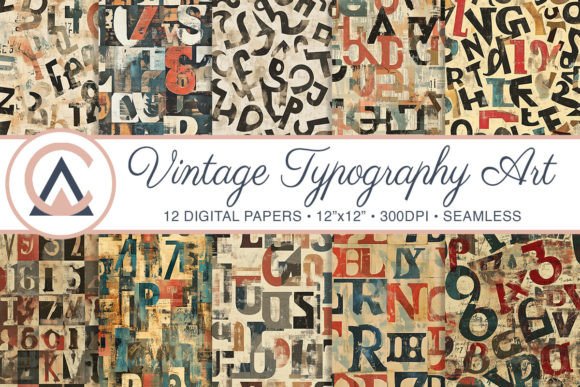
There's a certain warmth that comes with designs rooted in history. Vintage Typography Text Art Backgrounds tap into this feeling, offering a collection that feels both nostalgic and surprisingly versatile. These aren't just digital papers; they are layered compositions of old-world letterforms, textures, and subtle imperfections that create a rich, tactile base for your work. The visual personality is one of authenticity and character, moving beyond the sterile perfection of many modern assets to offer something with a story.
The appeal lies in its ability to act as a creative font system for your backgrounds. Imagine a surface where elegant serif fragments, weathered script flourishes, and bold sans serif echoes coexist. This creates a dynamic visual texture that can support a headline or serve as a complete backdrop. The overall style leans into a rustic, artisanal aesthetic, making it particularly effective for projects aiming for a handmade, boutique, or heritage feel. It’s a design asset that brings depth and narrative before you’ve even added your own content.
Where This Vintage Style Truly Shines
The true strength of these backgrounds is their cross-platform utility. For brand identity, they can establish immediate personality. A coffee roaster, a craft brewery, a boutique clothing line, or a heritage bakery could use these textures in packaging design and website backgrounds to convey quality, tradition, and care. In editorial design, they provide a compelling base for magazine layouts, book covers, or blog headers, especially for content about history, literature, crafts, or classic style.
Digital applications are equally robust. They work beautifully for social media graphics, creating posts and stories that stand out in a feed with a unique, textured look. For web design, they can be used as subtle section backgrounds, adding visual interest without overwhelming the core message. The included 12" x 12" seamless files at 300 DPI are specifically crafted for physical products. This makes them perfect for print-on-demand items like t-shirts, mugs, and stickers, as well as for traditional print projects such as invitations, greeting cards, and scrapbook paper. The seamless pattern ensures no awkward lines when tiled, which is crucial for large-scale prints.
Making Them Work: Practical Guidance
Choosing the right background from the collection is your first creative decision. Evaluate the visual hierarchy of each piece. Some may feature dense, overlapping text art that demands a simpler foreground element, while others might have a more open, airy layout that can support more complex compositions. Always consider the readability of your primary text. You may need to apply a solid color overlay, a soft gradient, or a slight blur to the background to ensure your headline or body copy remains the clear focus.
Think about font pairing with intention. These textured backgrounds naturally complement clean, modern typography. A strong, geometric sans serif font can create a striking contrast, letting your message pop. Alternatively, a classic serif font can enhance the vintage feel for a fully immersive design. For a more organic look, a clean script font or handwritten font can pair well, but test carefully to avoid visual clutter.
The files are provided in both PNG and JPEG formats, offering flexibility. PNGs with transparent elements (if provided) allow for layering, while JPEGs are straightforward for backgrounds. Their high resolution and easy-to-resize nature mean you can adapt them in any standard design software, from Adobe Photoshop and Illustrator to Canva and Affinity Designer. This is a premium font asset in terms of utility, giving you a professional toolkit for both digital and commercial font applications, from personal crafts to client work.
Final Thoughts on Implementation
Start by downloading and browsing all twelve options. See which ones resonate with the specific mood of your project—whether it’s elegant, rugged, whimsical, or industrial. Don’t be afraid to use them in unexpected ways: as a texture on a 3D mockup, as a fill for a shape in a logo design, or as the foundation for a series of coordinated marketing materials. The goal is to use these vintage typography backgrounds to inject a layer of visual interest and authenticity that makes your work feel more considered and distinctive. They are a versatile starting point, and the best results will come from experimentation.