3 Illustrated Backgrounds with Landscape: A Natural Toolkit for Creative Projects
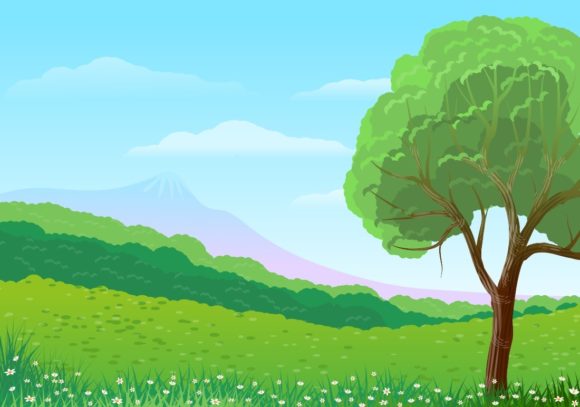
Finding the perfect background for a design project often feels like searching for a specific shade of paint. You know what you want in your mind, but the available options are either too generic, too busy, or the wrong resolution. This is where a versatile asset like the 3 Illustrated Backgrounds with Landscape set becomes invaluable. It’s not just a collection of pretty pictures; it’s a foundational toolkit for visual storytelling. The core of this set presents a natural landscape with mountains, green hills, and a lonely tree, a scene that evokes a sense of calm, solitude, and timeless beauty. This visual personality is clean, modern, and slightly stylized, making it adaptable rather than prescriptive.
The appeal of these illustrated backgrounds lies in their balance. They are detailed enough to be engaging but stylized enough to avoid overwhelming the foreground content. Think of it as a perfect background for different projects and supports. The color variants included are key—they allow you to shift the mood from a bright, optimistic daytime scene to a muted, sophisticated dusk or a vibrant, energetic dawn. As digital art, the lines are clean and the forms are simplified, which translates beautifully across both web design and print. Whether you're building a brand identity, designing a presentation, or creating social media content, this set provides a consistent, professional visual anchor.
Strategic Applications: Where This Landscape Set Shines
The true value of any design asset is measured by its utility. This particular landscape set excels in scenarios where you need to establish atmosphere without sacrificing clarity. For entrepreneurs and small business owners, these backgrounds are perfect for logo design mockups, website hero sections, or the backdrop of a product showcase. Imagine a handmade soap brand using the serene mountain scene behind its packaging—the natural theme reinforces the product's organic claim instantly. For marketers and content creators, the variants are a goldmine for social media graphics. You can use the green hills variant for a wellness campaign and switch to the sunset tones for a motivational quote series, maintaining visual consistency while varying the mood.
In editorial design and publishing, these backgrounds work wonders for chapter openers, magazine spreads, or report covers. They provide a sophisticated, stylized context that doesn’t compete with body text or headlines. The high definition DPI and large dimensions ensure the image stays sharp even in large-format print applications like posters or trade show banners. For crafters and hobbyists, the PNG format is ready for immediate use in digital scrapbooking, printable art, or custom stationery. The key is to view this not as a single image, but as a set of 3 illustrated backgrounds offering a cohesive visual language you can deploy across an entire project or brand ecosystem.
Practical Guidance: Integrating and Customizing Your Assets
Adopting a new design asset requires a bit of strategy. Start by evaluating your project’s core message. Does it align with the themes of nature, calm, growth, or perspective? If so, you have a strong match. Next, consider the color variants. The provided options are designed to work harmoniously, so don’t be afraid to use different variants for different sections of a website or for different social media platforms under the same campaign. The goal is to create a cohesive brand identity, not an identical one.
One of the biggest advantages here is the editable vector format: SVG. This is where you can truly make the asset your own. If you have basic vector editing skills (in tools like Adobe Illustrator or Inkscape), you can adjust colors, simplify elements, or even remove the lonely tree if it doesn’t suit your layout. This level of customization is what separates a good design from a great one. The raster format: PNG is your workhorse for quick implementation, especially in tools that don’t support vectors, like many social media schedulers or basic photo editors.
When pairing these backgrounds with typography, think about contrast and hierarchy. A clean, sans serif font often works well for a modern, minimalist look against the illustrated landscape. For a more traditional or elegant feel, a refined serif font can create a beautiful juxtaposition. The key is to ensure your text is legible. Use the background’s natural focal points—the open sky or the rolling hills—to place your headlines and key information. Avoid placing small, critical text directly over the most detailed areas, like the tree’s foliage. By treating these illustrated backgrounds as a dynamic stage rather than a static wallpaper, you’ll unlock their full potential to elevate your next project.