Capturing Ethereal Calm: The Magic of Watercolor Texture Backgrounds
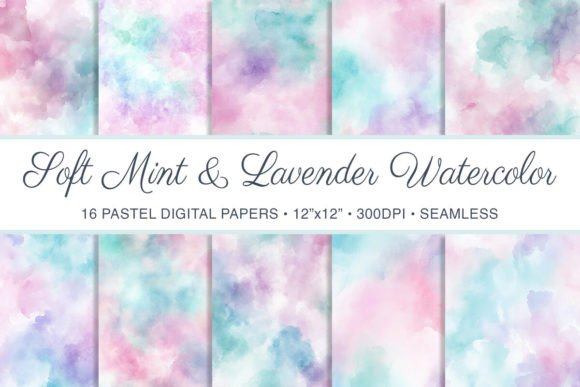
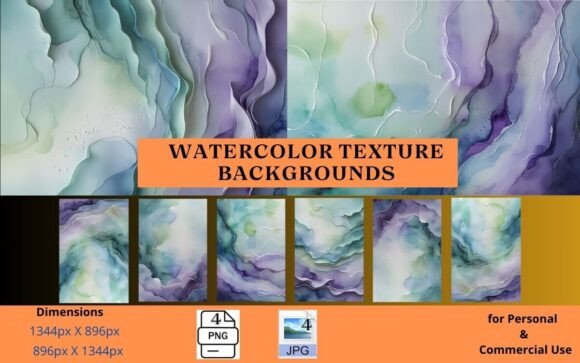
In a digital landscape saturated with sharp vectors and flat minimalism, there is a growing hunger for designs that feel human, tactile, and emotionally resonant. This is precisely where Watercolor Texture Backgrounds shine. These assets are not just static images; they are digital translations of traditional artistry. Featuring organic, layered washes in soft, muted hues of blue, green, and purple, these backgrounds evoke a sense of tranquility and wistful nostalgia. The subtle blending and gradient effects create a perception of depth that makes the colors appear to float on the surface of the paper. For designers and creators looking to add a soulful, artistic touch to their work, these textures provide a captivating, one-of-a-kind foundation that invites the viewer to pause and explore the visual nuances.
The Anatomy of the Aesthetic
Understanding the specific visual language of this asset is key to using it effectively. The "personality" of these Watercolor Texture Backgrounds is defined by their whimsical and dreamlike quality. Unlike a standard flat color, watercolor behaves unpredictably. It bleeds, it settles, and it dries with unique granulation. This particular set features "gentle washes" and "delicate drips," which suggest movement and fluidity. You will notice the subtle paper texture visible through the pigment—a crucial detail that adds authenticity. Without that grain, digital watercolor often looks artificial; with it, the image feels like a genuine piece of fine art paper.
The use of faint, darker accents and wispy brushstrokes serves a functional design purpose as well. These elements provide "tooth" or texture that helps anchor text or graphics placed on top of them. If the background were perfectly smooth, it would be difficult to read overlaid typography. The slight variations in tone—ranging from the ethereal calmness of the washes to the high-contrast accents—create a dynamic canvas. Whether you are using the landscape orientation (1344px X 896px) for a website hero image or the portrait orientation (896px X 1344px) for a mobile story, the composition maintains a balanced visual hierarchy that doesn't overwhelm the content it supports.
Strategic Applications for Modern Creators
For the modern entrepreneur, marketer, or content creator, the utility of a premium font or asset is measured by its versatility. These backgrounds are not limited to one niche; they are powerful design assets that can elevate various aspects of a brand identity. Because the color palette leans toward soft blues, greens, and purples, they are naturally suited to industries focused on wellness, beauty, lifestyle, eco-friendly products, and holistic health. However, with the right typography, they can also serve the wedding stationery market or high-end boutique packaging.
Consider how these textures function across different mediums:
- Web Design & Social Media: Use the high-quality JPGs for fast-loading website hero sections or Instagram story backgrounds. The ethereal quality pairs beautifully with clean sans serif font choices, creating a modern contrast between the organic background and crisp digital text.
- Editorial Design & Publishing: For book covers, magazine layouts, or blog headers, these textures add instant sophistication. They work exceptionally well behind a bold display font or an elegant script font, allowing the typography to pop while the background sets the mood.
- Branding & Logo Design: If you are building a brand that values softness and approachability, these textures can be integrated into your visual system. Imagine a business card with a watercolor wash on the back or a website footer that uses a faded version of the texture to frame contact information.
- Packaging Design: For physical products, such as candle labels, soap wrappers, or stationery, the high-resolution PNGs are invaluable. The transparent options allow the texture to blend seamlessly with different colored packaging materials, offering a tactile look that suggests handcrafted quality.
Integrating Texture with Typography
A common challenge in graphic design is marrying imagery with text. When working with artistic backgrounds like these, the choice of typeface is critical. Because watercolor is inherently fluid and somewhat chaotic, your typography needs to provide structure. A modern typography approach often works best here. For instance, pairing a geometric sans serif font with the organic watercolor creates a pleasing "opposites attract" dynamic. The clean lines of the text ensure readability, while the background provides the emotional context.
However, if the goal is to lean into the romantic, whimsical nature of the design, a handwritten font or script font can be effective—provided it has good legibility. Avoid overly complex cursive scripts that might get lost in the washes. Instead, look for a creative font with open counters and distinct letterforms. If you are designing for a more traditional or established audience, a classic serif font can ground the watercolor, lending the design a sense of timeless elegance and authority. The key is to test your font pairing against the specific area of the background you intend to use. Place your text over the lighter washes to ensure the contrast ratio remains accessible.
Practical Workflow and Asset Management
When incorporating these assets into your workflow, the file specifications matter. The inclusion of both JPEG and PNG formats offers flexibility. The JPEGs are ideal for use as full-bleed backgrounds where file size might be a concern, such as in email marketing templates or large web banners. The PNGs, however, are the workhorses for composite design. Because they can support transparency (depending on how they are sourced, though these specific descriptions suggest opaque backgrounds, PNG quality is always superior for print), they allow for layering without compression artifacts.
To get the most out of this collection:
- Evaluate the Color Palette: Before dropping the texture into your project, sample the colors from the background using your eyedropper tool. Use these sampled colors for your text or UI elements to create a cohesive, harmonious color scheme.
- Adjust Opacity: Don't be afraid to lower the opacity of the background. Fading the texture to 50% or 70% can make it more subtle, allowing your foreground content to take center stage while still retaining that soft, artistic atmosphere.
- Test for Readability: Always step back and view your design at a smaller size. What looks like a beautiful, intricate brushstroke at 100% zoom might look like visual noise on a mobile screen. Ensure your visual hierarchy is clear.
Ultimately, Watercolor Texture Backgrounds are more than just decoration; they are a tool for storytelling. They communicate that a brand or project values artistry, calmness, and beauty. By understanding the nuance of the textures and applying thoughtful design principles, you can transform a simple layout into an immersive visual experience that resonates deeply with your audience. Whether for personal projects or commercial use, these assets provide a versatile foundation for creating designs that feel truly timeless.