Unearthing Digital Treasures with Vintage Junk Journal Backgrounds
The Enduring Allure of Aged Paper and Found Objects
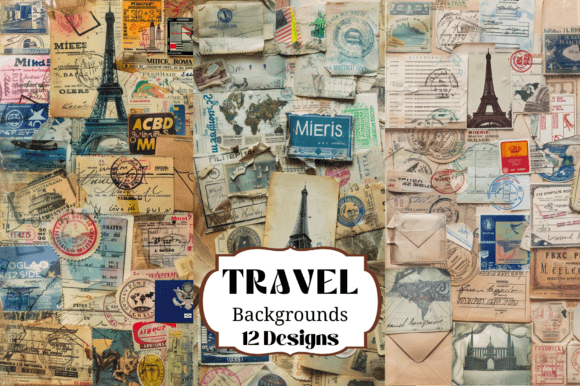
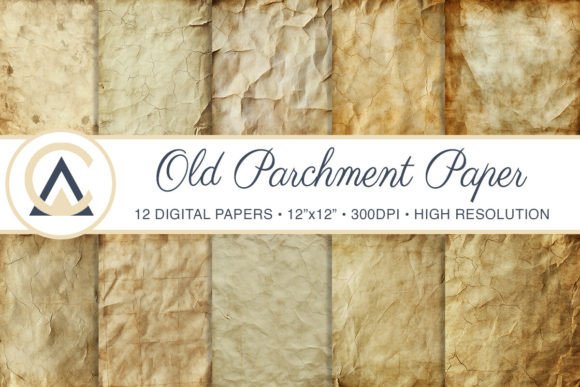
There's a certain magic in holding something that feels like it has a history. A faded postcard, a stained piece of ledger paper, a fragment of a vintage map—these artifacts carry a tangible sense of story. Vintage junk journal backgrounds are the digital capture of that magic. They are not pristine, clean-slate textures. Instead, they are complex compositions of simulated aging: foxing spots, coffee stains, ink splatters, torn edges, and layered ephemera that mimic the look of a well-loved, well-traveled journal page.
The visual personality of these backgrounds is intentionally imperfect, warm, and nostalgic. They evoke a feeling of authenticity and craftsmanship, connecting a modern project to a sense of history. The style is inherently tactile; even on a screen, the viewer can almost feel the rough tooth of the paper or the grit of the ink. This aesthetic moves far beyond simple digital design, offering a foundation that feels handcrafted and deeply personal. For creators looking to inject soul into their work, these assets provide an instant patina of character that's difficult to achieve from scratch.
Where These Digital Papers Shine: From Personal Craft to Commercial Branding
The true strength of a versatile design asset lies in its range. This collection of vintage junk journal printable backgrounds is built for cross-pollination across numerous creative and commercial domains. Their utility is a direct result of their authentic texture and high-resolution 300 DPI format, which ensures crisp output whether printed or used digitally.
- Physical Product and Packaging Design: For small business owners and entrepreneurs, these backgrounds offer a distinctive alternative to flat, uniform colors. Imagine using a subtly stained ledger paper as the interior lining for a jewelry box or as the backdrop for a artisan soap label. It communicates a brand story of quality, heritage, and meticulous care, elevating the unboxing experience into a memorable moment.
- Editorial and Publishing Layouts: Bloggers and publishers can leverage these assets to create immersive reading environments. A background of aged paper beneath a recipe column or a travelogue instantly sets a narrative tone. In editorial design, they function as more than decoration; they become part of the visual storytelling, providing context and atmosphere that plain white space cannot.
- Digital Presence and Social Media Graphics: In the crowded space of social media, authenticity captures attention. Using these textures as backgrounds for quotes, announcements, or promotional graphics helps content creators and marketers stand out. The organic, imperfect quality feels more human and less corporate, which can significantly boost engagement. They are particularly effective for brands in the lifestyle, craft, book, and vintage markets.
- Scrapbooking and Junk Journaling (Digital and Physical): This is the core home for these assets. Crafters can print the 12x12 inch sheets to use as actual journal pages, creating a cohesive book with instant character. Digital scrapbookers and Project Life enthusiasts can use them as layered bases for their photos and memorabilia, adding depth and cohesion to their layouts.
- Branding and Logo Design Elements: While not a font itself, the texture of these backgrounds can inform and support a full brand identity. A designer might sample colors from a specific stain or use the paper grain as a subtle texture overlay on a logo or business card. This technique creates a unified sensory experience across all brand touchpoints, from website to physical collateral.
Practical Guidance for Selecting and Implementing Your Assets
Choosing the right design assets is a strategic decision, not just an aesthetic one. Here’s how to approach this collection with a professional eye.
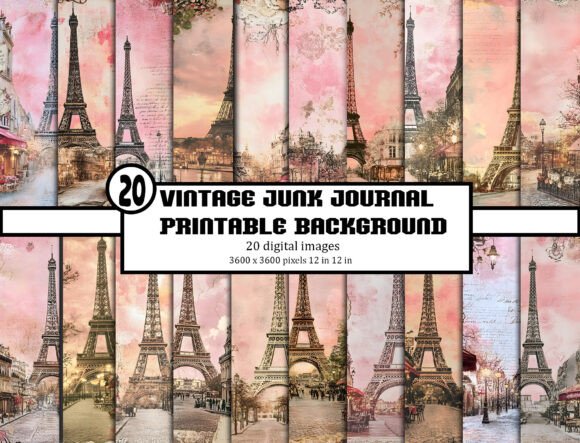
Evaluate Project Fit: Before downloading, consider the emotional tone of your project. Is it whimsical, scholarly, romantic, or industrial? Scan the 20 designs. Some may feature delicate floral stamps and soft pastels, ideal for wedding invitations. Others might have bold typewriter text and heavy coffee rings, better suited for a writer's portfolio or a coffee shop menu. The variety here is a strength, but the key is selecting the background that amplifies your core message.
Test for Readability and Hierarchy: A beautiful background is useless if it obscures your content. The most critical step is to test text legibility. Place your intended headline or paragraph over the background. You will likely need to employ a few techniques:
- Opacity Adjustment: Reduce the background layer's opacity to mute the texture slightly, allowing text to pop.
- Overlay Techniques: Use a subtle dark or light gradient overlay behind text areas to create a clean zone for reading.
- Font Choice: Pair these textured backgrounds with clean, simple sans serif fonts or strong, legible serif fonts. Highly decorative script fonts or intricate handwritten fonts can get lost in the visual noise. Think of the background as a rich canvas; your typeface should be the clear, confident voice on top of it.
Consider Commercial Licensing: For entrepreneurs and small business owners, this is non-negotiable. The provided files are for your creative use, but always verify the license for commercial application. Can you use them in products for sale, like printable planners or physical merchandise? Typically, such licenses allow for this, but it's your responsibility to understand the terms. This ensures your professional work is built on a legitimate foundation.
Leverage the Format: The 12x12 inch, 300 DPI JPEG files are print-ready. This means you can confidently send them to a professional printer for high-quality output. For digital use, they are easily scalable down for web and social media graphics without losing quality. Their square format also makes them perfectly suited for platforms like Instagram.
Final Thoughts on Building with Texture
In a digital landscape saturated with smooth, vector-perfect graphics, vintage junk journal backgrounds offer a valuable counterpoint. They provide a touch of the handmade, a whisper of history, and a layer of depth that connects with viewers on an emotional level. They are not merely decorative papers; they are foundational design assets that can help define a brand's texture, enrich a story's setting, and transform a simple project into a crafted piece of communication. The most effective creative work often lies in the thoughtful combination of elements—pairing a clean, modern typeface with a weathered background, or a crisp product photo with a textured overlay. This collection gives you the raw materials to make those sophisticated, engaging combinations a reality.