Timeless Textures: Using Vintage Travel Junk Journal Backgrounds
There is a specific kind of magic found in a dusty antique shop or a forgotten attic box—the thrill of discovering a stack of old postcards, faded maps, and sepia-toned photographs. That tangible sense of history and adventure is often difficult to replicate in modern digital design. However, finding the right design assets can bridge the gap between the sterile nature of pixels and the warmth of the past. If you are a crafter, scrapbooker, or designer looking to infuse your projects with that nostalgic wanderlust, the Vintage Travel Junk Journal Backgrounds collection offers a solution that balances authentic texture with high-resolution clarity.
The Aesthetic of Nostalgia
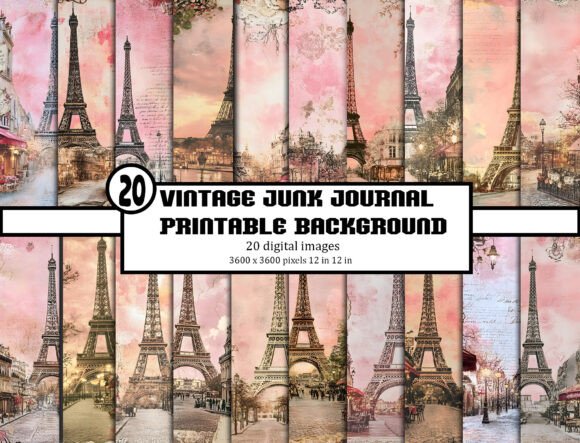
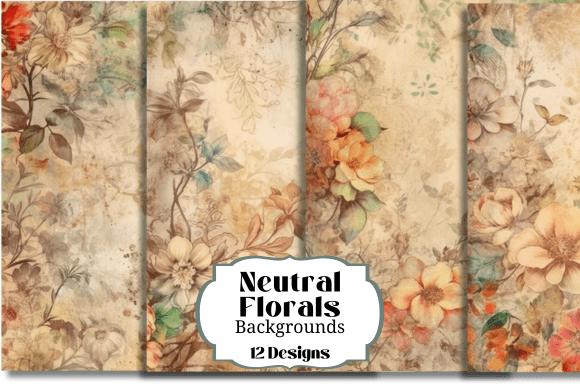
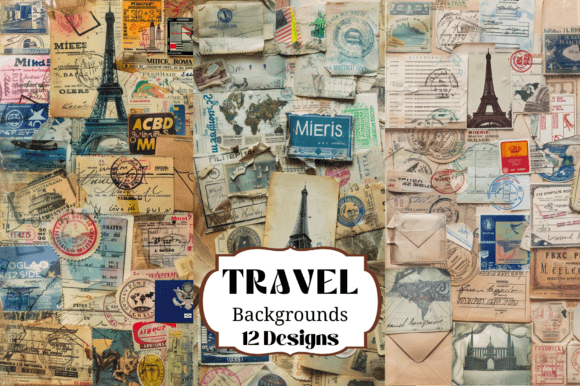
Understanding the visual personality of these backgrounds is key to using them effectively. This set of 12 distinct digital papers isn't just a collection of random images; they are curated textures that evoke the era of steam trains, handwritten letters, and exploration. Visually, you can expect distressed finishes, muted earth tones, and the visual "noise" that mimics aged paper. Unlike a flat, digital serif font or a clean vector graphic, these backgrounds possess a tactile quality. They feel worn, used, and loved.
The appeal lies in their imperfection. In modern typography and design, we often strive for pixel-perfection. However, when creating a brand identity for a boutique travel agency, a coffee roaster, or a heritage clothing line, perfection can feel sterile. These backgrounds introduce an element of humanity. They suggest that the story being told has depth and roots. Whether you are layering them behind a script font for a wedding invitation or using them as the base for a mixed-media collage, they provide an immediate emotional anchor.
Practical Applications for Designers and Crafters
The versatility of these files is one of their strongest selling points. Because they are delivered as high-resolution PNG files without watermarks, they function as professional-grade raw material for a variety of industries.
For the graphic designer or brand strategist, these assets are invaluable for packaging design. Imagine a tea company branding a new "Earl Grey Explorer" blend. Wrapping that box in a distressed map texture instantly communicates the product's theme without needing a single word of copy. Similarly, in editorial design, these backgrounds can be used as full-bleed images in magazines or e-books to set a mood for a travel feature or a history article. They provide excellent contrast when paired with clean sans serif fonts, ensuring that your headlines pop while the texture adds atmosphere.
For the hobbyist and scrapbooker, the application is even more direct. These are perfect for "junk journaling"—a creative practice of documenting life using found objects and ephemera. These digital papers serve as the perfect foundation pages. You can print them out to create your own physical book covers or use them digitally in apps like GoodNotes to decorate planners. They are also ideal for card making; a simple "Happy Birthday" written in a handwritten font over a vintage postcard texture looks infinitely more thoughtful than a generic store-bought card.
Integrating Texture into Your Visual Hierarchy
Using a busy, textured background requires a thoughtful approach to visual hierarchy. If you place a complex display font over a highly detailed map, the result can be illegible. The key to success with the Vintage Travel Junk Journal Backgrounds is understanding opacity and layering.
When creating social media graphics or web design elements, consider using these backgrounds as subtle overlays rather than full replacements for your brand colors. Lowering the opacity of the texture can add a "grain" effect that makes a digital image feel more organic. This is particularly effective for influencers and content creators who want to maintain a cohesive, warm aesthetic on platforms like Instagram or Pinterest.
Furthermore, these backgrounds influence readability and brand perception. A vintage texture signals tradition, reliability, and authenticity. If you are a small business owner selling handmade goods, using these textures in your marketing materials tells a story of craftsmanship. It suggests that your product has a soul. However, always ensure that your text—whether it is a premium font or a simple body copy—has enough breathing room. Use solid color blocks or semi-transparent shapes behind your text to ensure your message isn't lost in the beautiful chaos of the texture.
Technical Considerations and File Management
One of the practical advantages of this specific set is the ease of use regarding file management. The files come as a single zip download containing separate, clearly labeled images. This organization saves time for busy entrepreneurs and marketers who need to grab an asset quickly. You won't be guessing which file is which; the labeling system is designed for a professional workflow.
Because these are digital download files, they are infinitely scalable and reusable. Unlike physical scrapbook paper, which you can only use once, a digital paper can be resized, recolored, and printed as many times as you need. This makes them a cost-effective investment for publishers who might need to print a run of 100 books or a crafter making 50 wedding invitations.
When evaluating the fit for your project, consider the "grain" of the paper. Some of the 12 styles in this collection may feature heavier distressing, while others might be more subtle. Test different font pairings on top of them. A bold, geometric creative font often pairs beautifully with the organic irregularities of vintage paper, creating a dynamic tension between the modern and the antique.
Conclusion
The Vintage Travel Junk Journal Backgrounds collection is more than just a set of pretty pictures; it is a toolkit for storytelling. Whether you are designing a logo for a new startup, creating a digital planner for your daily life, or assembling a physical collage for a loved one, these assets provide the texture and warmth that modern digital tools often lack. By integrating these backgrounds into your workflow, you aren't just decorating a page—you are building a world for your audience to step into.